


The Canadian Press spoke to a number of tax experts and advocates in recent weeks who all agreed that major reform to simplify and improve Canada’s tax system is long overdue. They get little argument from Wayne Long, MP for Saint John—Kennebecasis and secretary of state for the Canada Revenue Agency and financial institutions.
“When you say the word tax code to people, everybody rolls their eyes. Everybody’s like, ‘Oh, the tax code used to be one book thick, now it’s two books thick. We just keep piling on,’” Long told The Canadian Press on Friday. “Is a total review of the tax code needed? Absolutely.”
Long is one of the Liberal MPs who, alongside Finance Minister François-Philippe Champagne, have been fanning out across Canada for pre-budget consultations this summer. Long said he sees the upcoming fall budget—the second delivered under Prime Minister Mark Carney—as “chapter two” in the Liberal government’s efforts to attract investment and set the country up for growth after the seismic shock of the U.S. tariff campaign.
He said the Liberals have heard from an unnamed, “major international player” that they’d like to put more of their money into Canada—but not until Ottawa makes changes to its tax code and how it governs investments.
“Sometimes we hear that other jurisdictions are just more user-friendly than we are. So it’s something that we’re focused on,” Long said. “We need to be super aggressive. We need to bring down barriers so that major international players can look at us and say it is more than worth investing in Canada, spending our money in Canada.”
Over a year into Carney’s mandate, the Liberals have made a handful of changes to the tax system.
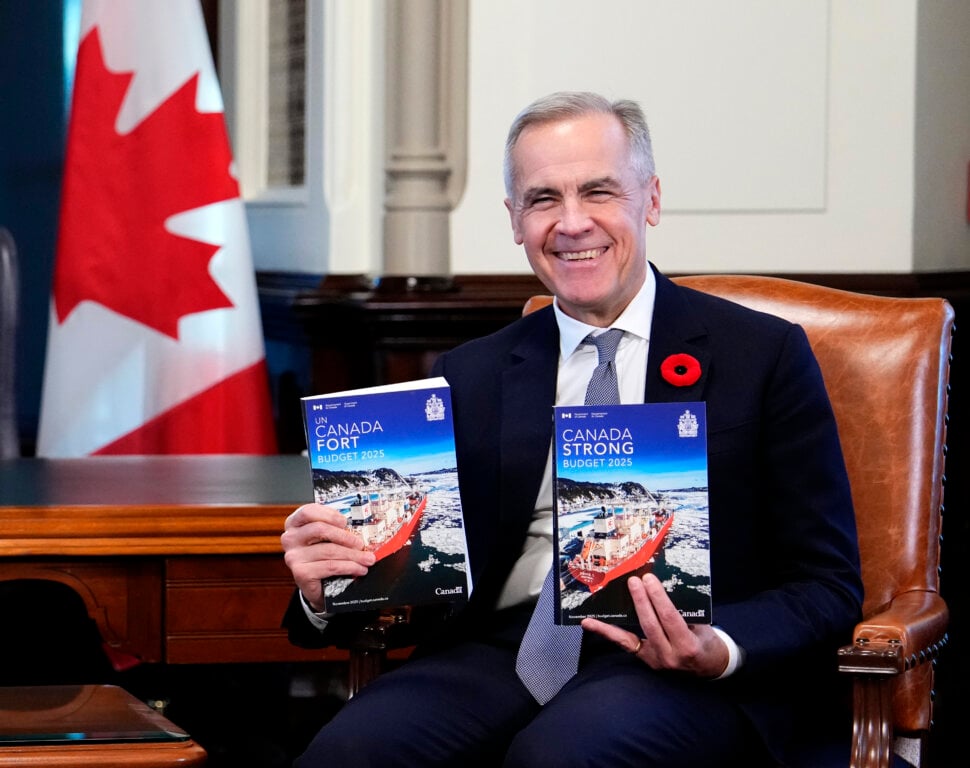
On the corporate side, the Liberals looked to encourage businesses to invest in capital by offering immediate tax writeoffs on new equipment. On the personal end, Ottawa cut its lowest income tax bracket by one percentage point and is planning a pilot project for automatic tax filing starting next year.
The Liberals pledged in the 2025 election campaign to conduct an “expert review” of the corporate tax system. The Canadian Press asked Champagne’s office if that’s still the plan. His spokesperson John Fragos replied in an email that it would be “inappropriate” to speculate on prospective changes to the tax system. “That said, the minister has been clear about the government’s upcoming budget and its emphasis on innovation, growth, and advancing Canadian entrepreneurship,” he said.
Canada’s tax system is overdue for change
Conservative finance critic Michael Chong said the Liberals havetinkered around the edges but have yet to take up the challenge of serious tax reform.
It has been 40 years since Canada last overhauled its tax system. Those changes, made in the 1980s under Prime Minister Brian Mulroney, led to the goods and services tax.
“We haven’t had major tax reform in this country in decades and our current tax system is strangling our economy,” Chong told The Canadian Press.
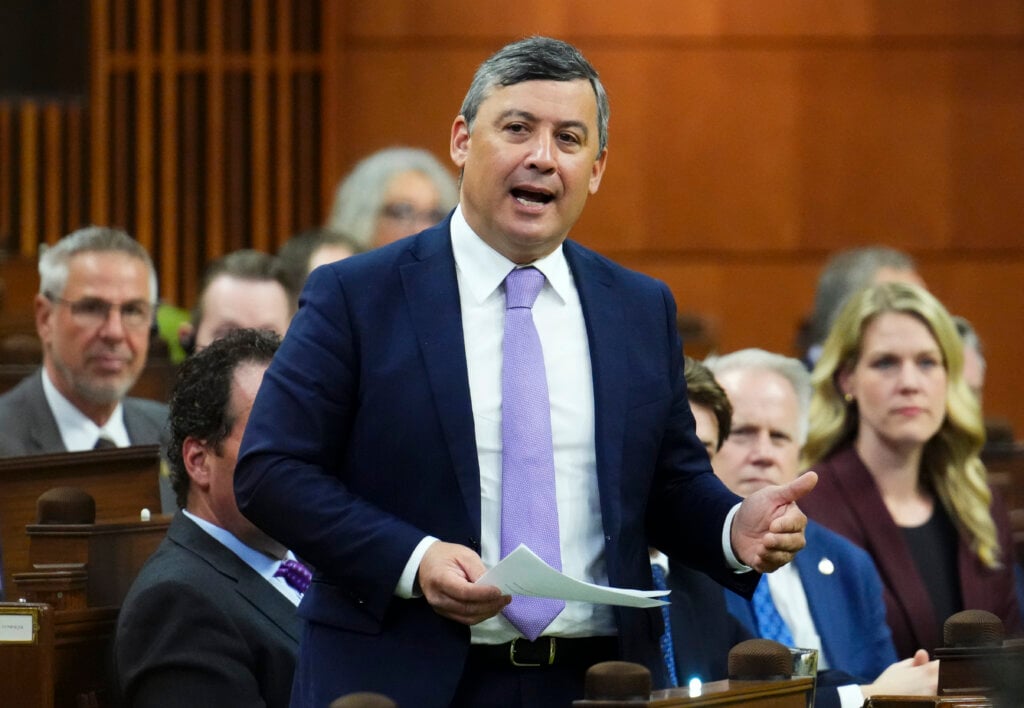
Chong argued decades of flagging business investment and weak productivity in Canada can be traced back to an “arcane tax system” that pushes capital outside the country.
The federal Conservative party makes the case that taxes are too high and deter high-income individuals and successful companies from putting down roots in the country. Asked to name the specific changes the Conservatives want to see, Chong called for the creation of a task force charged with recommending ways to modernize the tax system.
The case for a simpler tax code
The Canadian Press spoke to multiple tax experts about how Ottawa could go about simplifying and improving Canada’s tax code. All agreed that meaningful tax reform can be a lengthy and, at times, politically fraught project.
Long said the government is committed to taking on tax reform one step at a time. He said he’s spending much of the pre-budget consultations hearing from small businesses about how Ottawa can better support them and make the tax system easier to navigate.
“How can we relax some of that burden? How can we relax some of that reporting? What can we do to make small business excel and grow?” Long said. “So, lots of work to do.”
